
The Science of Implementation: Transforming Theoretical Knowledge into Practical Skills
12/30/20251 min read
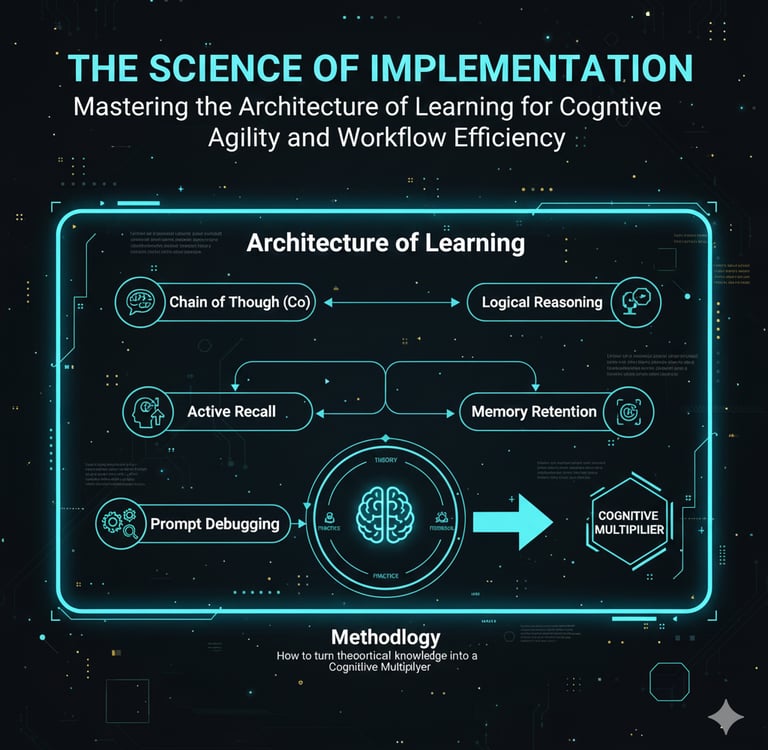
Understanding the Architecture of Learning
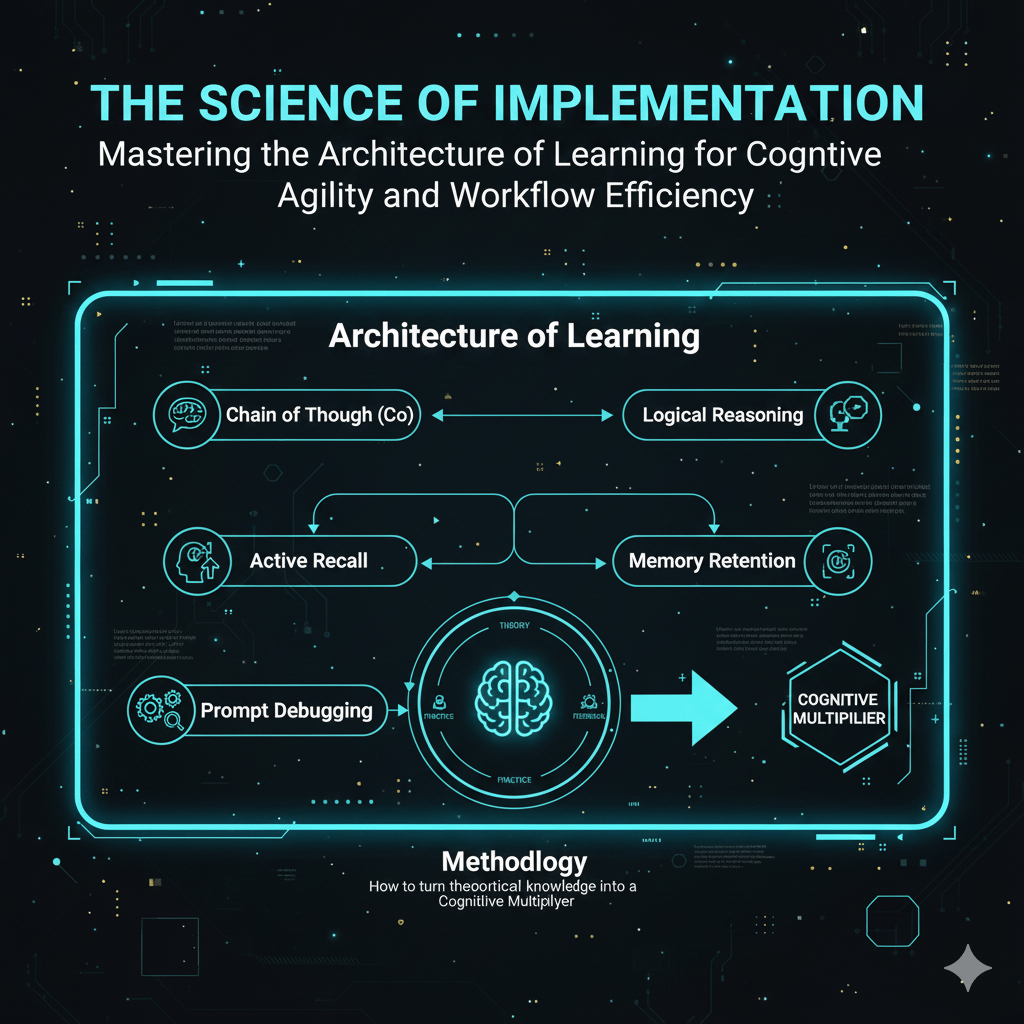
In today's fast-paced world, the ability to implement knowledge effectively has become a critical skill. The science of implementation dives deep into the architecture of learning, exploring how theoretical concepts can be translated into practical applications. By understanding the underlying principles of learning methodologies, we can enhance our cognitive processes and improve workflow efficiency.
The Methodology Behind Effective Learning
At the core of effective learning lies a systematic approach that leverages techniques such as chain of thought (cot) prompting and active recall. Chain of thought prompting encourages learners to articulate their reasoning and connect concepts logically. This method not only reinforces their understanding but also aids in memory retention. On the other hand, active recall is a powerful technique that cultivates long-term memory by forcing individuals to retrieve information from memory rather than passively reviewing it.
Practical Application of Learning Techniques
To turn theoretical knowledge into a cognitive multiplier for daily workflows, it is essential to adopt a structured approach to learning. This involves integrating prompt debugging techniques alongside active recall to refine one's understanding continually. In this context, prompt debugging refers to the process of analyzing and adjusting prompts based on the responses they generate. This iterative process ensures that learners refine their understanding and maintain a directed focus on their objectives.
Furthermore, integrating these methodologies into daily routines is vital. Setting aside dedicated time for learning, engaging in discussions, and applying newfound knowledge in real-world tasks can significantly enhance the learning process. By establishing a disciplined approach to implementing techniques such as cot prompting and active recall, individuals can cultivate a high-performance mindset that translates theoretical insights into actionable skills.
The marriage of theory and practice enables learners to approach tasks with increased confidence and competence. The science of implementation not only empowers individuals to grasp complex concepts but also equips them with the tools needed to become more effective and adaptable in their professional and personal pursuits. As we continue to explore the intersections between learning and execution, we unlock new potentials within ourselves and contribute to a culture of continuous improvement and excellence.